Centralizing the After-School Block
Debuting in 1998, Total Request Live (TRL) represented a brilliant structural compromise between the network's diminishing commitment to pure rotation programming and its need to maintain leverage within the music industry. By concentrating the most popular music clips into a single, high-impact, one-hour live broadcast, the network effectively engineered a mandatory viewing appointment for the teenage demographic, monopolizing the crucial after-school daypart.
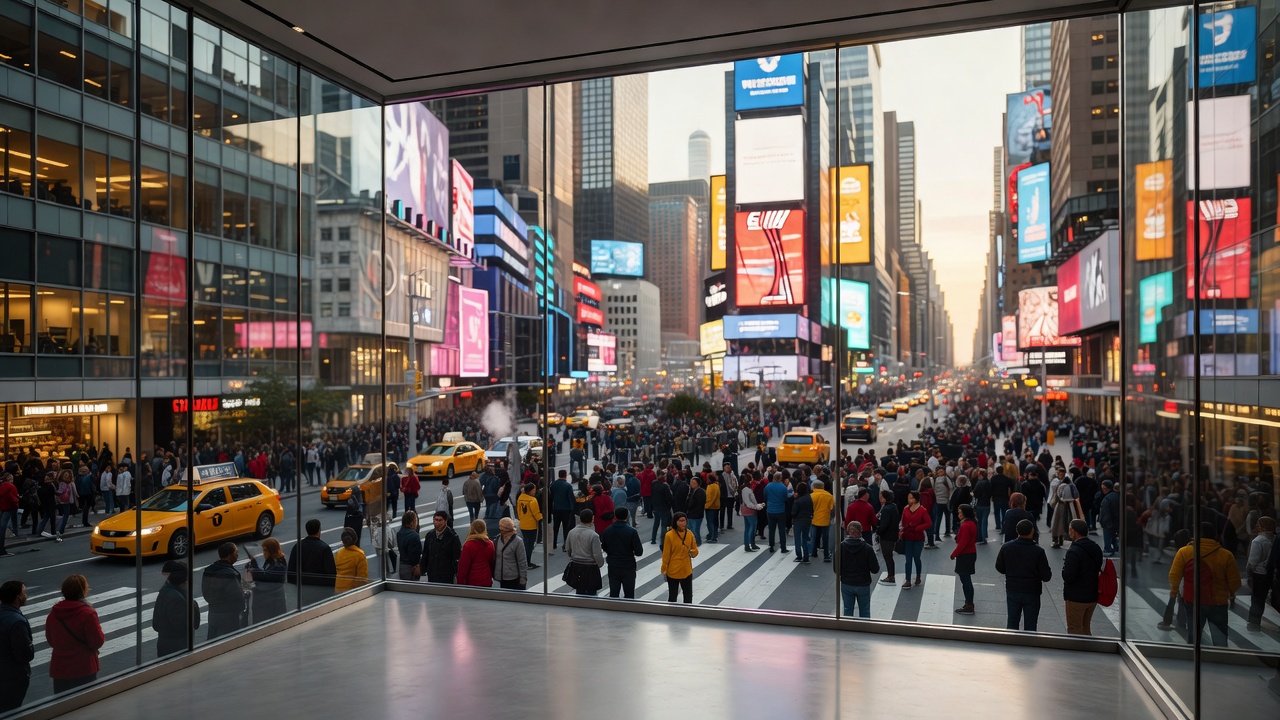
The program's location was critical to its structural design. Broadcasting from a second-story glass-walled studio overlooking Times Square, the production intentionally captured the hysteria of fans gathered on the street below. This visual confirmation of popularity became a self-fulfilling prophecy. When acts like the Backstreet Boys, NSYNC, or Britney Spears visited the studio, the resulting street-level gridlock provided raw, undeniable proof of cultural dominance that no internal chart metric could replicate.
The Mechanics of Interactivity
TRL pioneered a hybrid interactive voting mechanism, seamlessly merging legacy telephone requests with early internet polling. This architecture gamified the viewing experience. Fans of competing artists were forced to organize daily voting blocs to ensure their chosen clips reached the coveted number one spot. This early iteration of coordinated fan behavior directly anticipated the stan-culture dynamics that would later dominate social media platforms.
The interactive elements extended to the live studio audience, where host Carson Daly fielded on-air shout-outs and real-time reactions. The program functioned as a real-time barometer for mainstream pop culture. Labels aggressively aligned their physical album release schedules to coincide with scheduled TRL studio appearances, knowing the direct correlation between a number-one countdown spot and first-week sales figures.
The Retirement Rule and Format Fatigue
The sheer voting power of organized fanbases inevitably broke the inherent variety of the countdown format. Certain clips remained entrenched at the top of the list for months, creating a stagnant viewing experience. In response, producers instituted the "retirement" rule, forcibly removing any clip that maintained a chart presence for sixty-five days. This artificial turnover mechanism was essential to keeping the daily broadcast dynamic and forcing labels to produce rapid succession singles.
Ultimately, TRL's decline tracked directly with the rise of on-demand broadband internet. As high-speed video streaming and decentralized platforms like YouTube gained traction, the structural necessity of a centralized, network-curated daily countdown evaporated. Viewers no longer needed to wait for an appointed hour to view heavily truncated versions of popular clips. The format concluded its original run in 2008, serving as the final definitive era of the network's tenure as the absolute gatekeeper of youth musical culture.