The Decline of Linear Scheduling
The fundamental architecture of cable broadcasting relies on fixed schedules and dedicated dayparting to capture specific demographic yields. As algorithmic, on-demand distribution platforms reached global penetration, this linear paradigm collapsed. The network, originally designed as a continuous 24-hour feed of appointment television, found its core structural advantage—curation—entirely bypassed by individual user interfaces and recommendation engines.
To survive the cord-cutting era, the corporate superstructure required a complete pivot from maintaining channel frequencies to feeding proprietary streaming platforms. The legacy carriage fee model, which sustained the enterprise for decades, steadily eroded as Multiple System Operators lost subscriber bases. The focus shifted entirely toward consolidating historical archives and new unscripted properties into a centralized, direct-to-consumer digital offering.
MTV Entertainment Studios and IP Extraction
The most significant structural change was the transition from a discrete broadcast channel into a broader production entity. MTV Entertainment Studios was established to leverage the historical brand name across a wide spectrum of productions that rarely air on the legacy linear network. This unit oversees a massive portfolio of intellectual property, producing high-profile scripted dramas and feature films for external platforms and the parent company's broader digital ecosystem.
Under this consolidated umbrella, the boundary lines between distinct legacy cable networks are erased. Production resources are deployed strictly based on algorithmic demand rather than filling a 24-hour broadcast grid. This means reviving proven unscripted competition formats and docu-soaps strictly for streaming subscriber retention, completely divorcing the intellectual property from the channel it originated on.
The Paramount+ Integration
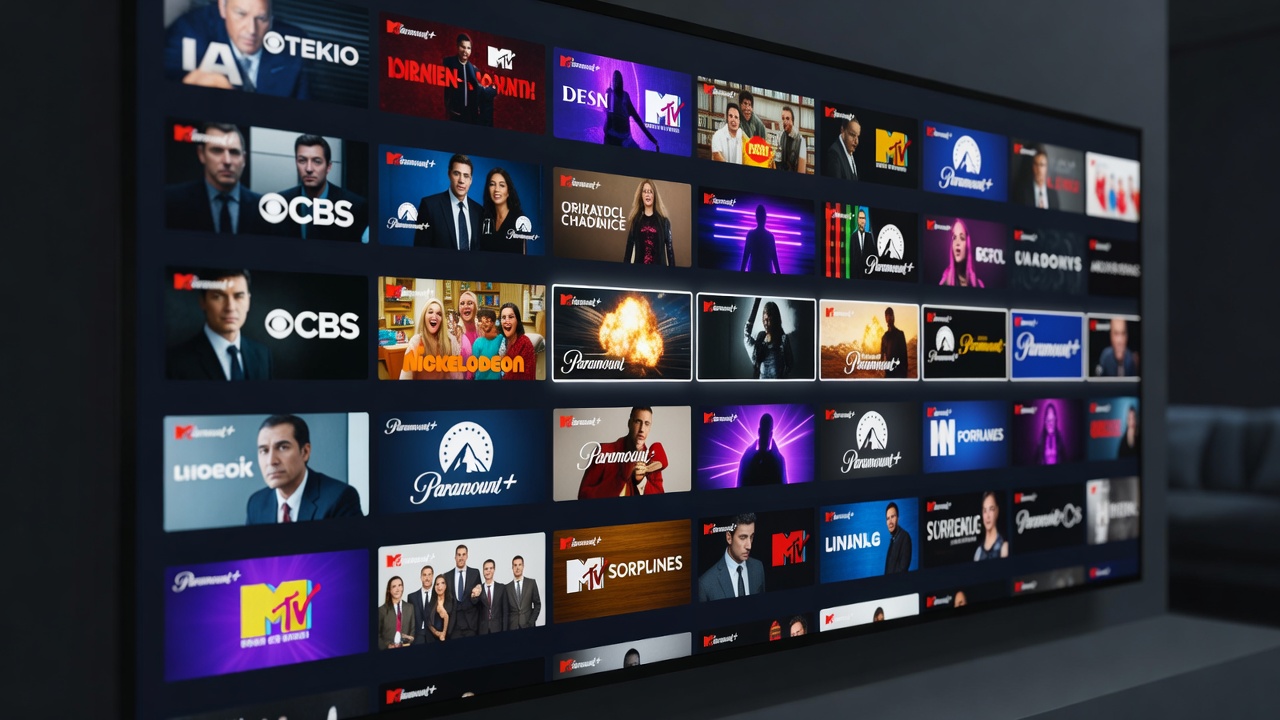
The merger of Viacom and CBS necessitated a unified digital platform to compete in the saturated streaming marketplace. Paramount+ serves as the primary repository for the network's decades of archival programming and new franchise iterations. Within this interface, the network is reduced to a content hub—a recognizable badge organizing back catalogues of reality programming and historical live performances.
The future of the enterprise is fundamentally post-linear. The brand operates primarily as a recognizable trademark attached to unscripted studio output and legacy catalog licensing. The original defining trait—the continuous curation of promotional youth culture broadcast across a unified national cable signal—has been permanently replaced by algorithmic, asynchronous consumption within a highly consolidated digital infrastructure.